WHEN LIVING IN AN APARTMENT:
Parking – Please only park in your designated parking spot or designated parking area.
Guests – Tenants are responsible and liable for the conduct of their guests at all times. A community quiet time from 14:00 hrs to 16:00 hrs is an accepted norm.
Locks – Tenants are prohibited from changing, adding or in anyway altering the locks installed on the doors of the property. If, for whatever reason, a locksmith is required to unlock or open your apartment, the tenant will be responsible for the locksmith’s fee.
Grounds and Common Areas – Tenants are required to maintain the appearance of their own entrance area, patios, balconies and storage areas.
Balconies and Patios – Balconies and patios have to be clean and clear. Acceptable items include patio furniture, flowerpots and plants.
Window Coverings/Drapes are not to be removed or replaced without the owner’s consent.
Personal Liability – Tenants are obliged to take out 3rd party, personal property and property damage insurance to cover any mishap or future claim.
Pets – If your property is pet friendly, you are required to keep your pet on a lead or leash in the designated community areas. You are required by law to clean up after your dog in all public areas.
Noise – Residents and guests must have respect and due regard for the comfort and enjoyment of all other residents in the community. Loud music, T.V., radio and musical instruments should not be played at a volume that can be heard outside the apartment. Typical community quiet night hours is from midnight to 07:00 a.m.
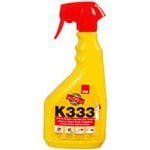
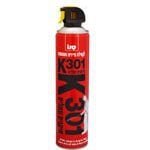
Pest control – Since Israel is basically a warm climate, there is always a risk of encountering insects, including cockroaches, ants, mosquitoes and the occasional scorpion. The use of insect repellent, defensive tools and a basic sanitary environment should minimize these encounters. You can avoid infestation by storing food properly, by cleaning frequently and by keeping your accommodation free from certain critters with screens and other household necessities. If unable to resolve the problem you can ask your landlord for suggestions. Also see the section Pest control/Service & Hygiene.
Storage – Tenants and guests are prohibited from generating, manufacturing, storing, treating, discharging, releasing, burying or disposing of, or transporting hazardous or any combustible substance on the property premises. Storage of personal property shall be at the tenant’s own risk.
Trash Removal – In many apartment buildings, there is a designated garbage room where you will find trash cans, some with recycling specification. Please make sure that your refuse is placed in securely tied plastic bags before placing in the rubbish containers. Under no circumstances are trash/rubbish bags to be placed outside front doors. Residents are required to break down boxes and cartons before placing them in the relevant containers. Some apartment buildings have garbage shoots on each floor leading directly to the bins in the garbage room.Some apartment buildings have the garbage disposal containers outside the apartment building.
Signs – Tenants are prohibited from displaying signs, placards or exterior lighting without prior consent of the management of house committee.
Mail – Tenants are required to affix their full name on the mailbox of their apartment, in order to ensure correct receipt of personal mail.
WHEN LIVING IN A SINGLE FAMILY HOME:
Parking – If private parking is provided, please use it. If you need to park on the street, please make sure your vehicle is properly locked with no value items visible. Items left in the car are not the responsibility of the parking area attendant or the house maintenance committee.
Guests – Residents are responsible and liable for the conduct of their guests at all times. It is accepted that there is a community quiet time from 14:00 hrs to 16:00 hrs.
Locks – residents are prohibited from changing, adding or in anyway altering the locks installed on the doors of the property. If for whatever reason, a locksmith is required to unlock or open your apartment, the resident will be responsible for the locksmith’s fee.
Gardens – This is subject to the relevant clause in the lease agreement, and the owner may insist on continuing the employment of his gardener. Generally the tenant is responsible for the upkeep and maintenance of the garden. This would entail weeding, sweeping, and cleaning of patio and decked areas, maintaining the lawn, clearing up of debris and fallen leaves etc.
Pools – This too is subject to the relevant clause in the lease agreement, and the owner may insist on continuing the employment of his pool maintenance man. Generally, the resident is responsible for the upkeep, 3rd party insurance and maintenance of the pool.
Personal Liability – Residents are obliged to take out 3rd party, personal property and property damage insurance to cover any mishap or future claim.
Pets – Pet damage is probably the most difficult to negotiate and as the resident you will be liable for any replacement or damage repair costs This issue must be settled prior to your departure.
Pest Control – refer to Pest control Services in this guide.
Storage – Residents and guests are prohibited from generating, manufacturing, storing, treating, discharging, releasing, burying or disposing of or transporting hazardous or combustible substance on the property premises. Storage of personal property shall be at the tenant’s own risk.
Trash/ Rubbish Removal –Please note that bins are provided in single family homes and collected on specific days.
Mail – Private homes may have a letter box at the residence or a post box at the central post office close to your home. Make sure that you provide your correct and full mailing address to senders. You may be given a mailbox key together with your house keys.
Pest control /Service & Hygiene
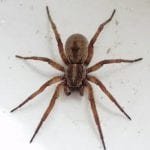
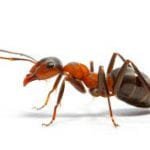
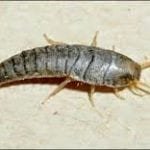
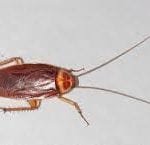
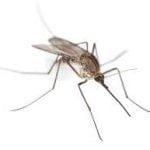
The hot and humid climate of the Middle East is prone to unwanted pests which may find their way into your homes during your stay. Unwanted household insects such as ants, cockroaches, silver fish, spiders and mosquitoes can be controlled by taking the correct preventative hygienic measures and with the assistance of the proper pest control / fumigation service.
Residence in an Apartment:
-
- The municipality sprays the public community areas in the neighborhood against mosquitoes, several times a year.
- The building management committee is responsible for fumigation of the community grounds, lobby. And any other public area.
- The interior of the apartment is the responsibility of the resident.
- In the event that you require fumigation or any other green pest control measure, please inform your RC who will refer you to a licensed professional to perform the task.
Residence in a single Family Home:
-
- The municipality sprays the public community areas in the neighborhood against mosquitoes, several times a year.
- As there is no building maintenance fee or building management you are responsible for pest control measures during your tenancy.
- In the event that you require fumigation or any other green pest control measure, please inform your RC who will refer you to a licensed professional to perform the task.
Pest Treatment Procedures and Results
Depending on the particular situation, the professional will assess the problem on site and usually only one treatment annually is sufficient to resolve the issue.
How long will it take?
The treatment itself takes about an hour or up to 3 depending on the size of the residence. It is advisable not to enter the house for 4 hours after treatment. A second treatment is not usually required.
What pesticides are used?
Most pesticides used in Israel are ‘green’ and not harmful to humans and enable the residents to remain in the property. Even so, we do advise that the property remain closed for up to 4-5 hours and that you vacate the property during this time.
The Pest Control Professional will advise you as to what is required with regard to preparation of the property prior to the treatment.
After treatment you will probably find more pests than usual (mostly dead), as they will have been driven from their hiding places. This is a good sign.